
______________________________________________________________
______________________________________________________________
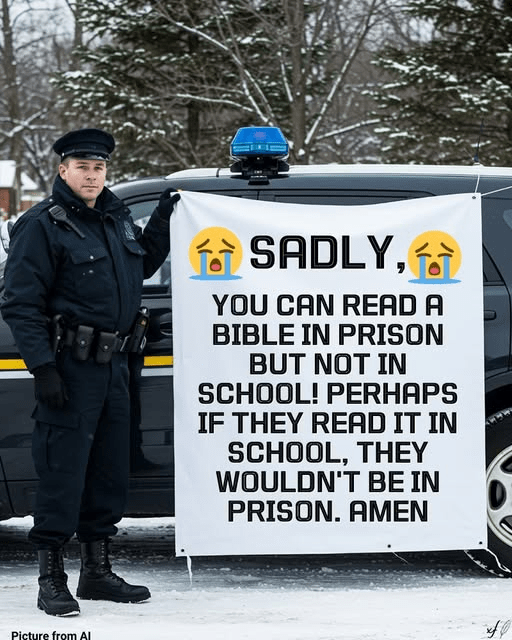
The Supreme Court’s decision to limit Bible reading in public schools emerged from a broader context of civil rights and liberal reform in the 1960s. In a landmark ruling in 1963, the Court found that mandated Bible readings and prayer in public schools violated the establishment clause of the First Amendment. This ruling stemmed from cases in Pennsylvania and Maryland, where parents argued that these practices imposed religious views on students and pressured dissenters. The Court emphasized that the First Amendment was designed to prohibit the establishment of any religion by the state, rejecting the notion that it merely prevented favoritism among religions.
While many Americans, including some religious leaders, expressed dismay over the ruling, arguing that it seemed to oppose a general belief in God, others welcomed the Court’s clarification on the separation of church and state. The decision established clear boundaries for religious practices in public education, shifting the responsibility for religious instruction to families and religious institutions. Since then, the interpretation of the establishment clause has continued to evolve, reflecting ongoing debates about the role of religion in public life and education.
Published in: 2023
By: Sander, Richard H. | Sterling, David L.
______________________________________________________________
First Amendment
Congress shall make no law respecting an establishment of religion or prohibiting the free exercise thereof; or abridging (*) the freedom of speech, or of the press; or the right of the people peaceably to assemble, and to petition the Government for a redress of grievances.
(*) law: curtail (a right or privilege).
______________________________________________________________
The Bible is a formative book, rather a collection of books, most read daily in the world.
The parents of Pennsylvania and Maryland who argued that Bible reading imposed religious views on students and pressured dissenters could not foresee heinous crimes committed in schools sixty years later. The Supreme Court at the time could not either.
Did the views of those parents represent the majority of American parents?
______________________________________________________________
 Manuel Silveira