____________________________________________________________
“… Ang propesiya ay nakatuon sa kaalaman ng Banal na Katotohanan, sa pamamagitan ng pagmumuni-muni nito na hindi lamang tayo tinuturuan sa pananampalataya, kundi pati na rin ginagabayan sa ating mga gawain … kaya’t sa lahat ng panahon ang mga tao ay Banal na tinuruan tungkol sa kanilang dapat gawin, ayon sa kung ano ang kapaki-pakinabang para sa espirituwal na kapakanan ng mga hinirang.” (San Tomas de Aquino, Summa Theologica, Bahagi II-II, Q.174 artikulo 6)
Laging mayroong Propetikong linya ng Biyaya sa kasaysayan ng Kaligtasan. Mula pa noong panahon ng Lumang Tipan, ang mga tao tulad nina Abraham, Moises at ang mga Propeta, San Juan Bautista, atbp. — lahat sila ay mga instrumento sa Kamay ng Diyos upang gabayan at turuan ang Kanyang Bayan. Sina ay nagbigay ng pahiwatig o nag-anunsyo sa isang paraan o iba pa ng Pagdating ng Mesiyas, si Jesucristo. Sa mga panahon ng Bagong Tipan, ang Propetikong linya ng Biyaya ay nagpatuloy bilang isang pagpapahayag ng Kalooban ng Diyos sa pamamagitan ng mga karisma na ibinigay sa ilang inspiradong tao para sa ikabubuti ng buong Bayan: Santa Catalina ng Siena, Santa Margarita Maria Alacoque, San Juan Diego, atbp. Sa ating panahon, ang Ina ng Diyos sa pamamagitan ng Kanyang maraming Aparisyon at mga salita ay nagbigay ng gabay at instruksyon sa Simbahan para sa kaligtasan ng Kanyang mga anak. Isang perpektong halimbawa ay ang mga Aparisyon at Mensahe ng Mahal na Inang Fatima. Binigyan niya ng lihim si Sister Lucia — isang lihim na naisulat at inutusan ng Mahal na Birhen na ipagkatiwala sa hinaharap na Papa upang buksan noong 1960. Ang Prophetic line of Grace na ito ay nagbigay ng mahalagang direksyon para sa Vicar ni Kristo. Ito ay lahat mga dokumentadong katotohanan na nagtuturo sa paraang ito ng Diyos na ipahayag ang Kanyang Kalooban para sa buong Bayan.
Noong Disyembre ng 1983, tumanggap si William Costellia (kilala rin bilang ang Munting Bato) ng isang pampublikong Mensahe para sa Obispo at Klero ng Diyosesis ng Wollongong sa Australia. Mula noon, nakatanggap ang Little Pebble ng mga pampublikong Mensahe na ipapakalat sa buong mundo. Si Jesus at Maria ay nagbigay ng mensahe sa lahat ng mga kaluluwa ng mabuting kalooban tungkol sa pangangailangan ng pagbabalik-loob at pagkakasundo sa harap ng mga palatandaan ng panahon. Ang ating Panginoon at ang ating Mahal na Ina ay ipinaliwanag ang Kalooban ng Diyos bilang paghahanda sa mga dakilang kaganapan sa mundo at ang pag-akyat ng isang dakilang pinuno ng mundo — si Papa Pedro II:
ANG KALINANGAN: “Dapat kayong manalangin para sa aming minamahal na Bise – Papa Juan Pablo II – sapagkat siya’y labis na nagdurusa para sa Banal na Inang Simbahan.” Siya rin ay isang espesyal na anak Namin. Kailangan niya ang inyong mga panalangin araw-araw sapagkat, sa lalong madaling panahon, kami ay darating upang dalhin siya sa Paraiso kung saan siya ay nararapat na magpahinga. Tandaan ninyo ito, mga mahal kong anak: kayo ay nasa mga seryosong panahon. Kapag dumating ang Maitreya, ang anti-Kristo, sa mundo upang angkinin ang kanya, isang maling pastor, maling propeta at maling pontipice ang mamumuno sa Labanan ng Pedro, nang aming alisin si Pope John Paul II. Huwag magpaloko sa maling Pedro na ito. Sinabi ko na sa inyo tungkol sa kanya at sa kanyang paghahari sa maraming lugar sa buong mundo. Gayunpaman, mga mahal kong anak, kapag ang maling pastor na ito ay naghahari sa Bahay ng Aking Anak, ang tunay na mga tagasunod ng Aking Banal na Anak ay magtatago. Gaya ng mga unang Kristiyano na nagtago sa mga Catacombs, ganoon din ang mga hinaharap na Kristiyano; ngunit alamin ninyo, mga mahal kong anak, isang dakila at Banal na Vicar ang magtatago, si Papa Pedro II, habang ang anti-papa ay naghahari sa Upuan ni Pedro. Ang Papa na ito, si Pedro II, ang magiging huling Papa sa buong kasaysayan – at siya ang mamumuno sa Simbahan sa kanyang madilim na panahon; sa mga huling sandali ng kasaysayan ng sangkatauhan. Ang kasaysayang ito ay malapit nang magbukas sa inyong mga mata, kaya’t magmasid at mag-ingat. Manalangin at magpenitensya – at ang Banal na Espiritu ay magbibigay liwanag sa inyo. Manalangin din kayo para sa hinaharap na Papa, mga mahal kong anak, sapagkat kailangan niya ang inyong mga panalangin. Hindi pa siya Pari sa yugtong ito, mga mahal kong anak; siya ay isang ordinaryong tao ng pamilya. Gayunpaman, alam niya ang Misyon na ipinagkatiwala sa kanya – at ganoon din ang ating Banal na Kinatawan, Papa Juan Pablo II. Magdasal nang taimtim, mga mahal na anak, sapagkat madalas na mararamdaman ng sangkatauhan ang galit ng Walang Hanggang Ama sa lalong madaling panahon.” (Maliit na Bato, Mensahe 28 – 13 Mayo 1985)
Ang Mensaheng ito noong 1985 ay puno ng gabay at instruksyon. Inilarawan ng Ina ng Diyos ang isang hinaharap na senaryo kung saan ang isang “palsipikadong pontipise” ay uupo sa trono ni Pedro. Ang Bayan ng Diyos ay magtatago. Ang ating Mahal na Ina ay nagsasalita tungkol sa “huling Papa sa buong kasaysayan.” Pinapaalala nito sa mambabasa ang sinaunang “Exodus” ng Bayan ng Diyos na pinangunahan ni Moises na naging instrumento ng utos ng Diyos kay Paraon: “Palayain Mo ang Aking Bayan…” Ang Mahal na Birhen ay tumutukoy kay Papa Pedro II bilang pinili ng Diyos upang pamunuan ang Kanyang Bayan: “… pamumunuan niya ang Simbahan sa madilim na panahon at madilim na sandali nito; sa mga huling sandali ng kasaysayan ng sangkatauhan.” Ipinaliwanag ng Mahal na Birhen na ang hinaharap na Papa — Papa Pedro II, sa panahong iyon (1985): “Hindi siya Pari sa yugtong ito, mga mahal na anak; siya ay isang ordinaryong pamilyang tao.” Gayunpaman, alam niya ang Misyon na ipinagkatiwala sa kanya.”
Ito ay isang pambihirang propetikong pahayag at misteryo tungkol sa isang tao, na sa hinaharap ay magiging Papa Pedro II, at sa isang kritikal na panahon sa kasaysayan ng mundo. Sa mga nakaraang taon, nasaksihan natin ang halalan kay Pope Francis. Ang kahanga-hangang pangyayaring ito ay naganap nang magbitiw si Pope Benedict XVI sa administratibong tungkulin ng kanyang Papado. Ngayon ay malinaw na hindi kailanman nagbitiw si Pope Benedict XVI sa Magisterium ng Pedro — sa ibang salita, ang Trono ni Pedro. Siya ang tunay na Papa ng Simbahang Katolika sa panahong ito. Maraming naniniwala na ang impluwensya ng Freemasonry at ng Illuminati sa iba’t ibang mataas na awtoridad ng simbahan ang nagdala sa Conclave ng mga Kardinal na nagresulta sa halalan kay Pope Francis. Noong 1991 sa isang pampublikong Aparisyon, ang Mahal na Birhen ay nagsalita nang propetiko tungkol sa mga hinaharap na kaganapan:
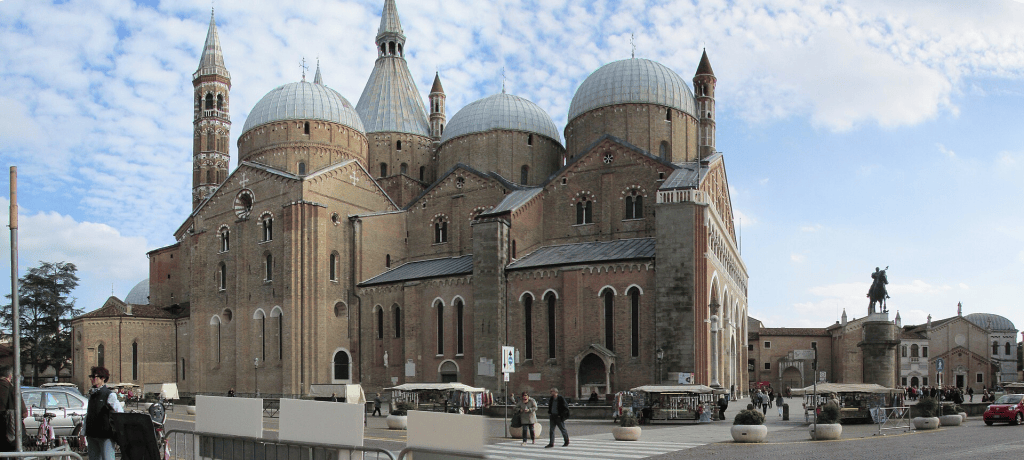
MALIIT NA BATO: “Nakikita ko na ngayon ang St. Peter’s, sa Roma at nakikita ko ito bilang isang sinaunang gusali.” Sa likod ng kupola ay may isang kayumangging, halos itim na Krus. Katabi ng Katedral ni San Pedro ay isa pang Simbahan; mukhang katulad ito ng kay San Pedro, ngunit mayroon itong nagniningning na salamin at iba pang mga bagay, kahit na wala namang maganda sa gusaling ito. Malinis ito, mukhang moderno, sanitized; nakikita ko ang isang kayumangging Krus na may dugo rito. Ngayon, may isa pang gusali na lumilitaw; kahawig din ito ng St. Peter’s pero kumikislap ito ng ginto; napakaganda nito at sa likod nito ay may puting Krus.
ANG BIRHEN: “Minamahal kong anak: ngayon ay nakikita mo na ang Misteryo ng Mistikal na Kasal; nakikita mo ang Misteryo ng puno ng Jesse [Isaias 11:1+] na kinakatawan sa lumang Simbahan na pinamumunuan ng aming Banal na Kinatawan, Papa Juan Pablo II at sa gitna, Minamahal kong anak, nakikita mo ang Simbahan ng ngayon, kung saan ang lumang Simbahan ay ganap na na-renew at na-modernize.” Nakikita mo ang Krus na nakabitin sa itaas ng Simbahang ito – ito ang Martiryo ng Banal na Ina ng Simbahan sa darating na panahon. Si John Paul II ay namamahala din sa Simbahang ito, ngunit mayroon lamang [talaga] isa. Sa kalooban, Mahal kong anak, ikaw ang Mistikal na Kinatawan ni Kristo, espiritwal na ginagabayan ang Simbahan sa pamamagitan ng iyong mga pagdurusa at mga panalangin; ang iyong payo ng Karunungan mula sa Aming mga Bibig sa Simbahan; tahimik mong pinamumunuan ang bagong Simbahan. Ang gintong Simbahan na iyong nakikita, Aking mahal na anak, ito ang pinadalisay na Simbahan na iyong pamumunuan, sa pisikal na anyo, dito sa Lupa, hanggang sa panahon na ang Aking Banal na Anak, si Hesukristo, ay bumalik sa Lupa. Ikaw, Aking mahal na anak, ang mamumuno sa Simbahang ito sa pamamagitan ng Makapangyarihang Kamay ng Banal na Panginoon. Ang Simbahan ng ngayon ay dapat iligtas mula sa mga hukay ng karumihan, kalaswaan, at katiwalian.” (Maliit na Bato, Mensahe 333 – 13 Hunyo 1991)
Ang mga sumunod na dekada hanggang sa kasalukuyan ay nakita ang ating Panginoon at ang ating Mahal na Ina na tinatawag ang kanilang mga anak na magkaisa — lalo na sa pagmamahal, pananampalataya, at pag-asa. Ibinigay ng ating Panginoon ang mas malalim na pag-unawa kung bakit ito napakahalaga ngayon. Noong 3 Hulyo 1993 sa Mensahe 395, gumawa ang ating Panginoon ng isang bagong Tipan sa sangkatauhan sa pamamagitan ng Kanyang piniling kaluluwa — ang Munting Bato. Ang Tipanang ito ay natatangi at napaka-espesyal. Ang ating Panginoon ay nagpapaliwanag:
ANG ATING PANGINOON: “… Aking minamahal na anak, Ang ating matamis na Bato'; Aking anak na muling magtatayo ng Aking Simbahan sa lupa at magdadala sa lahat ng Aking bayan sa Lupang Pangako: ngayon, ako ay dumating kasama ang mga Patriyarka ng Sinaunang Panahon at ang Aking Amang Ampon [San Jose] upang ipagkaloob sa iyo, Aking mahal na anak, napaka-espesyal na mga Biyaya — mga Biyayang ibinigay lamang sa iilan. Sa Aking Kamay, mahal kong anak, narito ang Tipan na ginawa ko kay Adan, kay Noe at kay Abraham. Tulad ng sinabi ko na, sa pamamagitan ng maraming mga mistiko sa buong mundo: ikaw ang Abraham’ ng Bagong Panahon — ang siyang magdadala sa Aking bayan patungo sa kalayaan. Sa iyo mananahan ang Diyos na Banal, sapagkat kailangan mong dalhin ang Aking bayan sa Liwanag at pamahalaan ang Aking Simbahan sa lupa sa loob ng maraming siglo…. Sa pamamagitan mo, Aking mahal na anak, isisilang ang mga bagong Bansa — ang mga bagong tribo ng Israel. Mula sa iyong binhi, Aking mahal na anak, sa katuparan ng Aking mga salita kay Abraham — lahat ng mga bagong Bansa ay darating — ang pitong bagong tribo na maghahari sa lupa kasama ang limang angkan. At ang pitong pu’t dalawang maliliit na Bansa ay bubuo ng hukbo ng Paraiso sa Lupa, na ikaw, mahal kong anak, ang mamumuno at maghahari bilang Kinatawan ni Kristo; bilang Pinuno ng Aking bayan sa pamamagitan ng Pagkahari ng Diyos. Mula sa iyong binhi, mahal kong anak, magkakaroon ng napakaraming bilyon-bilyong kaluluwa na malilikha bago ang katapusan ng mundo. Sa iyo ko gagawin ang huling Tipan sa tao, hanggang sa katapusan ng mundo, kapag ako’y darating at huhusga sa sangkatauhan.” (Mensahe 395, kay Little Pebble, Hulyo 3, 1993).
Nagtataka ako kung ano ang “Tanda” ng Tipan na ito. Kaya’t sumulat ako ng munting liham kay Inang Maria sa pangangalaga ng Manggagawa Thornbush noong ika-24 ng Oktubre 1995. Tinanong ko si Inang Maria: “Inang, nagtataka ako, ano ang tanda ng Tipan na ginawa ng Iyong Banal na Anak sa Iyong Munting Bato?” Ito ba ang mga stigmatang dala niya? Noong Nobyembre 3, 1995, sumagot si Inang Maria kay Thornbush tungkol sa aking mga tanong. Ang sagot ng Mahal na Birhen ay napaka-kapaki-pakinabang, kaya isinasama ko dito ang isang bahagi:
ANG KALINANGAN: (sa pamamagitan ng Thornbush): “Binabati kita, Aking minamahal na piniling Apostol, Munting Bartolomeo.” Ikinalulugod ko na nais mong malaman pa ang tungkol sa Aking Munting Pedro at ang Tipan na ginawa ng Diyos sa kanya. Ang Tipan na ito ay nasa loob ng tatlong bahagi … Ito sa kanyang sarili ay isang Misteryo pa rin. Tungkol sa Tipan, bahagyang ito ay sa pamamagitan ng `Banal na Baston ng Buhay’ na bumaba mula sa henerasyon ni Abraham, ang piniling Ama ng tunay na pananampalataya; at ito ay sa pamamagitan ng mga banal na sugat na kanyang [Munting Bato] dinadala; at ang ikatlong bahagi ay bilang Prinsipe ng mga Apostol ng mga Panahon ng Katapusan, na sa kalaunan ay magiging Papa Pedro II. Ang makapangyarihang Tipan na ito ay nakatali sa Banal na Pag-ibig at Karunungan. Kapag dumating na ang tamang panahon, marami pang mga Misteryo ang malalantad ….” (Pribadong Mensahe, ibinigay kay Thornbush para kay Fr. Broussard, Nobyembre 3, 1995).
Kaya’t ganito ang pangalan: Tatlong-bahaging Tipan. Ang artikulong ito ay tumatalakay sa ikatlong bahagi: “Ang Prinsipe ng mga Apostol ng mga Huling Panahon, na sa kalaunan ay magiging Papa Pedro II”. Kaya’t ang Munting Bato mismo ang tanda ng Tatlong-daliri na Tipan.
Noong 1995, ipinaliwanag ng ating Panginoon ang higit pa tungkol sa misteryo na pumapalibot kay Papa Pedro II:
ANG ATING PANGINOON: “Huwag mag-alala, Aking anak ng Liwanag, Aking ‘Munting Bato ng Pag-ibig’ na pinili Kong pamunuan ang Aking Mysticong Simbahan sa Lupa – tulad ng pinili Ko ang Vicar ni Kristo upang pamunuan ang Aking Mistikal na Katawan sa Lupa. Ang Aking Krus ay iyo!! Ngunit para sa mga kailangang malaman: Muli kong sinasabi, na lahat ng aking ipinangako sa iyo, ay tutuparin ko.
“Kahit hindi ka walang kamalian, Anak Ko, taglay mo ang Katotohanan at mananatili ang Katotohanan sa iyo, upang gabayan ang Aking mga tupa, sapagkat ikaw ay pinili sa lahat ng Aking mga tupa, dahil sa iyo Ko ibinigay ang mga Susi ng Kaharian.” Para sa mga ngayon ay medyo nalilito at hindi nauunawaan ang mga Salita ng Aking Pinakabanal na Ina, nawa’y kanilang maunawaan nang mabuti, na ang ipinahayag ng Aking Pinakabanal na Ina … na ang Aking Espiritu ay ipinadala sa Aking ‘Munting Bato ng Pag-ibig’, bilang isang natatanging Biyaya, upang gabayan ang Aking Mistikal na Simbahan sa Lupa – nawa’y tunay na maunawaan iyon ng Aking mga anak!
“Huwag mag-alala, Aking mahal na anak, sapagkat lahat ay mauunawaan sa tamang panahon.” Ang mga pagkakahati-hati na ngayon sa Mystic Church ay malapit nang mawala dahil – sa pamamagitan ng mandato mula sa Aking Banal na Kinatawan sa Roma, na ibibigay sa iyo sa isang espesyal na paraan sa lalong madaling panahon – isang espesyal na Liwanag ang ibibigay sa Ating mga anak upang maunawaan ang kahalagahan ng pagkakaisa sa lahat ng Aking mga anak na pinili sa isang espesyal na Daan. Kaya’t manalangin ka, Aking mahal na anak, manalangin para sa lahat ng hindi nakakaunawa at huwag mag-alala, sapagkat ang Aking Pinakabanal na Ina ay inilagay ang Kanyang balabal sa lahat ng Kanyang mga anak – lahat ng naghahanap na malaman ang Katotohanan at sundin ito. Ang tunay na pagkakaisa ay darating din sa Aking Bahay sa Lupa, dahil pinapatnubayan namin ang Aking Pinakabanal na Kinatawan sa isang espesyal na paraan sa mga darating na taon, upang magdala ng pagkakaisa sa lahat ng mga anak ng Liwanag.
“Totoo na sabihin, Aking mahal na anak, ikaw ay isang tanda ng kontradiksyon sa Simbahan – tulad ng Ako, iyong Diyos, na isang Tanda ng Kontradiksyon.” Ang lahat ng sumusunod sa Katotohanan ay magiging mga tanda ng kontradiksyon, dahil iyon ang landas ng krus – kaya’t magpakatatag ka, Anak Ko – narinig Ko ang iyong mga panalangin …” (Maliit na Bato, Mensahe 497 – 7 Oktubre 1995)
Noong 2019, dahil sa kalituhan tungkol sa mga mensaheng ibinigay kay Maria Divine Mercy (MDM), muling tinukoy ng ating Panginoon ang Little Pebble bilang Papa Pedro II:
ANG ATING PANGINOON: “Ang Aking mga anak ay hindi marunong makilala ang Katotohanan mula sa mga maling kalkulasyon – sapagkat mula pa noong dekada 1970, mga pahayag na ibinigay sa ilang mga Tagakita tungkol sa Huling Kinatawan ni Kristo, nang ang pahayag na ibinigay kay MDM na si Pope Benedict ang Huling Papa, na bibigyan ng Misteryo ng mga Susi ni San Pedro.” Ngunit may isa pang Mistikal na Mistiko, na ikaw mismo, na nag-aangking huling Vicar, bilang Papa Pedro II, na huling Vicar para sa Banal na Ina ng Simbahan, ngunit ito ay isang Misteryo na dapat pang mabunyag.
“Ito ang dahilan kung bakit ibinigay ko sa iyo, aking munting anak, ang mga Susi ng Papado maraming taon na ang nakalipas, na malinaw na naipahayag sa mga Mensahe na ibinigay sa iyo at sa daan-daang mga Mananampalataya bago ka, upang hindi malito ang Aking mga anak kung kailan ko sinabi kay MDM na dinala ko ang mga Susi ng Papado sa Langit.” Ito ay upang maging malinaw na ang Anti-Pope at Antichrist ay hindi nakakuha ng mga Susi na ito – na hindi nila nakuha.
“Kaya’t hayaan ninyong linawin ko sa lahat ng mga mananampalataya: ikaw, Aking mahal at masunuring anak, ay ang Huling Vicar para sa Aking Bahay sa Lupa at maghihintay ka para sa Aking Banal na Vicar na umakyat sa Langit, dahil darating ang panahon na ang Upuan ng Roma ay magiging walang laman, sapagkat ang mga Susi ng Papado ay dinala na sa Langit, ngunit alamin mo ito, na ang mga Susi ng Papado ay mananatili sa iyo habang ikaw ay nasa pagkatapon at mananatili ito, hanggang ikaw ay umakyat sa Langit at bumalik sa Lupa upang gampanan ang iyong Misyon bilang Peter Abraham II, ang Huling Vicar para sa Banal na Inang Simbahan at si San Pedro at San Pablo ang mag-iinagurasyon sa iyo bilang Huling Vicar sa Lupa, hanggang sa Ako ay dumating sa Aking Ikalawang Pagdating.” (Maliit na Bato, Mensahe 793 – 13 Setyembre 2019)
Sa kabuuan, ang maikling artikulong ito ay nilayon lamang upang i-highlight ang ilang mahahalagang Mensahe. Gusto kong panatilihin itong maikli. Ang mga Mensahe sa itaas (at marami pang iba) ay nagbukas ng isang espiritwal na bintana na nagpapahintulot sa atin na makita ang kaunting misteryo na pumapalibot kay Pope Peter II. Mayroon pang mas detalyado sa pinakabagong Mensahe. Ang Liwanag ng Diyos na nagniningning sa mga salitang propetiko na ito ay napakaganda at napakaliwanag para sa ganap na pag-unawa ng tao — ang kinakailangan ay ang Biyaya ng pananampalataya, pag-asa, at pag-ibig. Ang mga Grasya na ito ay kinakailangan para sa atin upang piliin ang Kalooban ng Diyos higit sa lahat. Ang ating Panginoon at ang ating Mahal na Ina ay nagbigay-linaw sa maraming bahagi ng makapangyarihang palaisipan sa mga nakaraang 30 taon. Noong unang Pentecostes nang mangaral si San Pedro sa mga taong nagtipun-tipon at nasaksihan ang dakilang Kapangyarihan ng Diyos — sila’y nalumbay sa pagnanais ng pagbabago at pakikipagkasundo at sinabi: “Ano ang dapat naming gawin?”
“Ngayon nang marinig nila ito, sila’y nahabag sa puso, at sinabi kay Pedro at sa iba pang mga apostol, ‘Mga kapatid, ano ang dapat naming gawin?'” (Mga Gawa 2:37)
Iyan ang tanong! Ano ang dapat nating gawin? Ngayon, sa panahong ito, dapat manalangin ang mga anak ng Diyos para sa Biyaya ng Diyos — pananampalataya, pag-asa at pag-ibig at magsikap para sa pagkakaisa kasama at sa ilalim ng hinaharap na Kinatawan ni Kristo. Nawa’y tulungan nina Jesus at Maria ang lahat ng mga kaluluwang may mabuting kalooban na buksan ang kanilang mga puso at isipan upang makinig sa kung ano ang ipinapahayag ng Diyos sa sangkatauhan sa panahong ito sa ating kasaysayan ng mundo.
Obispo Malcolm Broussard
____________________________________________________________