Walang-hanggan na Awa ni Kristo

______________________________________________________________

_______________________________________________________________
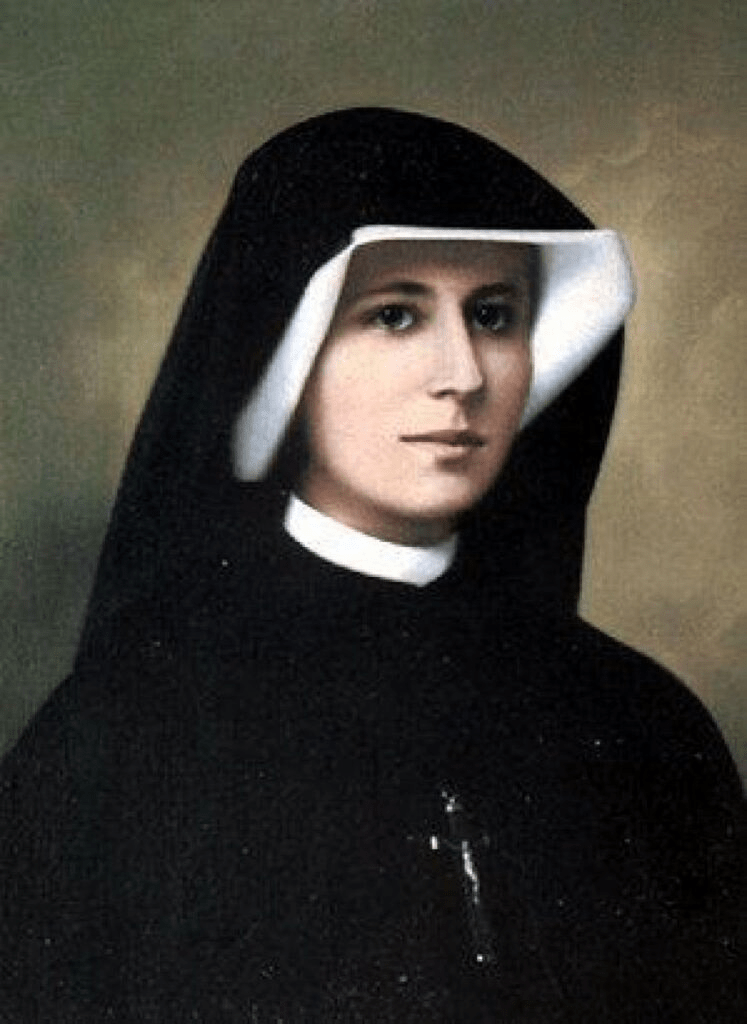
“Isa sa mga kriminal na binitay doon ay patuloy na tinutuya siya at sinabing, “Hindi ka ba Mesiyas? Iligtas ang iyong sarili at kami!” Ngunit sinaway siya ng isa, na nagsasabing, “Hindi ka ba natatakot sa Diyos, dahil ikaw ay nasa ilalim ng parehong pangungusap ng pagkondena? At talagang kami ay nahatulan nang makatarungan, dahil nakukuha namin ang nararapat sa amin para sa aming mga gawa, ngunit ang taong ito ay walang ginawang mali.” Pagkatapos ay sinabi niya, “Jesus, alalahanin mo ako pagdating mo sa iyong kaharian.” Sumagot siya, “Tunay na sinasabi ko sa iyo, ngayon ay makakasama mo ako sa Paradise.” (Lucas 23:39-43)

Ina ni Kristo at Banal na Awa

Ang pag-uugali ng mga kriminal’ ay isang natatanging halimbawa ng tugon ng Sangkatauhan sa Walang-hanggan na Awa ni Kristo, at ang artikulong Ina at Banal na Awa ni Kristo ay nagsasalaysay ng kumpirmasyon ng Mahal na Maria ng Walang-hanggan na Awa ni Kristo. Gayunpaman, tahasan niyang binalaan si Sister Faustina, noong Pebrero 17, 1937, tungkol sa mga kahihinatnan ng ating pagtugon sa Kanyang Walang-hanggan na Awa.

“Kaluluwa ay namamatay sa kabila ng Aking mapait na pagnanasa. Binibigyan ko sila ng huling pag-asa ng kaligtasan; iyon ay, ang Pista ng Aking Awa. Kung hindi nila susundin ang Aking awa, sila ay mamamatay sa buong kawalang-hanggan, Kalihim ng Aking awa, magsulat, sabihin sa mga kaluluwa ang tungkol sa dakilang awa Ko, dahil ang kakila-kilabot na araw, ang araw ng Aking katarungan, ay malapit na.” (Diary 965)

______________________________________________________________

Posted in Tagalog | Tagged | Comments Off on Walang-hanggan na Awa ni Kristo

To obey is better than sacrifice

______________________________________________________________

We are in a trial phase by God caused by us. When it comes to SSPX remember what was spoken by the Prophet Samuel, who said, “To obey is better than sacrifice” (1 Samuel 15:22). This verse highlights that genuine submission to God’s will is far more pleasing than religious rituals. For those with wisdom within the Church you will find the firmly nested in the FSSP with the “assurance” of True Presence of Christ in the Eucharist.

By Fatima’s Peter the Roman of St Malachy’s Prophecy

______________________________________________________________

Posted in English | Tagged | Comments Off on To obey is better than sacrifice

فلپائن میں کرشمے۔

_______________________________________________________________

Tagalog اہم ہے کیونکہ یہ فلپائن کی ثقافتی دل، تاریخی بنیاد اور عملی یکجا کرنے والی زبان ہے۔ یہ فلپائنیوں کو اپنے میں اظہار خیال کرنے کی اجازت دیتا ہے۔

یسوع مسیح فلپائن کی تاریخ، ثقافت اور شناخت میں منفرد طور پر گہرا اور پائیدار مقام رکھتا ہے۔ اس کا اثر فلپائنی روحانیت، سماجی اقدار، قومی تقریبات اور یہاں تک کہ سیاسی زندگی میں بھی بُنا ہے۔ فلپائن دنیا کی سب سے بڑی عیسائی قوموں میں سے ایک ہے، اور یسوع کے کردار کو سمجھنے سے اس کے ثقافتی تانے بانے کی زیادہ تر وضاحت میں مدد ملتی ہے۔

عیسائیت سب سے پہلے 1521 میں جزائر پر پہنچی، جب فرڈینینڈ میگیلن سیبو پہنچے اور عقیدے کو متعارف کرایا۔ راجہ ہمابون اور اس کی اہلیہ نے بپتسمہ لیا اور سینٹو نینو حاصل کیا، جو کہ بچہ عیسیٰ کی تصویر ہے جو آج بھی ملک میں سب سے زیادہ قابل احترام علامتوں میں سے ایک ہے۔

اس لمحے نے فلپائن اور مسیحی عقیدے کے درمیان 500 سالہ تعلقات کا آغاز کیا جو عیسیٰ پر مرکوز تھا۔

صدیوں سے، یسوع فلپائنی عقیدت کی مرکزی شخصیت رہے ہیں:

  • تہوار اور عبادات مسیح کی زندگی، موت اور قیامت کے گرد گھومتے ہیں۔
  • خاندانی روحانیت میں اکثر سینٹو نینو، مصلوب مسیح، اور جی اٹھے مسیح کی تصاویر شامل ہوتی ہیں۔
  • بحران کے وقت، فلپائنی تسلی، معافی اور امید کے ذریعہ یسوع کی طرف رجوع کرتے ہیں۔

یسوع کی نہ صرف عبادت کی جاتی ہے۔ وہ روزمرہ کی زندگی کا حصہ ہے، گھروں، جیپوں، کام کی جگہوں اور عوامی تقریبات میں موجود ہے۔

جدید فلپائنی الہیات تیزی سے یسوع کو ایک بیانی کے طور پر پیش کرتی ہے – ایک ہیرو جو دوسروں کے لیے خود کو قربان کرتا ہے اور بیانیہان کو متاثر کرتا ہے، جو فرقہ وارانہ اتحاد کی فلپائنی روح ہے۔

یہ تشریح یسوع کی وزارت کو اس کے ساتھ جوڑتی ہے:

  • سماجی انصاف
  • اخلاقی ذمہ داری
  • کمیونٹی سروس
  • قومی تبدیلی

یہ فلپائنیوں کی حوصلہ افزائی کرتا ہے کہ وہ مسیح کو نہ صرف نجات دہندہ کے طور پر دیکھیں بلکہ ایک زیادہ ہمدرد معاشرے کی تعمیر کے لیے ایک نمونہ کے طور پر دیکھیں۔

صدیوں سے، فلپائنیوں نے یسوع سے اس طرح تعلق رکھا ہے:

  • مصائب میں ساتھی
  • بخشش کا ذریعہ
  • امید کی علامت
  • اخلاقی اور سماجی زندگی کے لیے رہنما

یہ جذباتی اور روحانی تعلق بتاتا ہے کہ کیوں عیسائیت فلپائنی شناخت میں مرکزی حیثیت رکھتی ہے۔

یسوع مسیح فلپائن میں صرف ایک مذہبی شخصیت نہیں ہیں—وہ ایک ثقافتی بنیاد، ایک تاریخی قوت، اور ایک اخلاقی کمپاس ہیں۔ اس کی موجودگی فلپائنی روحانیت، اجتماعی زندگی اور قومی شناخت کو گہرے طریقوں سے تشکیل دیتی ہے۔

_______________________________________________________________

روح القدس، میرے مالک، نے مجھے ہمارے فلپائنی بھائیوں کو لکھنے کے لیے تحریک دی، کیونکہ وہ مسیح کی دوسری آمد کو تیار کرنے کے لیے آپ پر کرشمے نازل کرنا چاہتا ہے۔ بہت سے مشنری آپ کے درمیان بنیادی طور پر مشرقی ممالک کی بشارت دینے کے لیے ابھریں گے۔

میں نے فلپائنی اور حال ہی میں ٹیگالوگ میں مضامین لکھے ہیں۔ مضامین میں فلپائنی میں مارکس گوسپل اور کرزم پیکج، اور مارکس گوسپل اور ٹیگالوگ میں کرزم پیکج کا خلاصہ شامل ہیں۔

Pakete ng Ebanghelyo (فلپائنی)

Pakete Ebanghelyo (ٹیگالوگ)

Pakete ng Charisms (فلپائنی)

Abstract ng Charisms Pakete (ٹیگالوگ)

_______________________________________________________________

Posted in اردو | Tagged | Comments Off on فلپائن میں کرشمے۔

Charismen auf den Philippinen

______________________________________________________________

Tagalog ist wichtig, weil es das kulturelle Herzstück, das historische Fundament und die praktische, einigende Sprache der Philippinen ist. Es verbindet die Filipinos mit ihrer Vergangenheit, untereinander und mit der Welt.

Jesus Christus nimmt in der philippinischen Geschichte, Kultur und Identität einen einzigartigen und tiefgreifenden Platz ein. Sein Einfluss prägt die philippinische Spiritualität, die sozialen Werte, die nationalen Feierlichkeiten und sogar das politische Leben. Die Philippinen gehören zu den größten christlichen Nationen der Welt, und das Verständnis der Rolle Jesu trägt wesentlich zum Verständnis ihrer kulturellen Struktur bei.

Das Christentum erreichte die Inseln erstmals 1521, als Ferdinand Magellan in Cebu ankam und den Glauben einführte. Rajah Humabon und seine Frau wurden getauft und erhielten das Santo Niño, ein Bild des Jesuskindes, das bis heute zu den meistverehrten Symbolen des Landes zählt.

Dieser Moment markierte den Beginn einer 500-jährigen Beziehung zwischen den Philippinen und dem christlichen Glauben mit Jesus im Zentrum.

Seit Jahrhunderten ist Jesus die zentrale Figur der philippinischen Frömmigkeit.

  • Feste und Liturgie drehen sich um das Leben, den Tod und die Auferstehung Christi.
  • Die Spiritualität der Familien umfasst oft Bilder des Santo Niño, des gekreuzigten Christus und des auferstandenen Christus.
  • In Krisenzeiten wenden sich die Filipinos an Jesus als Quelle des Trostes, der Vergebung und der Hoffnung.

Jesus wird nicht nur verehrt; er ist Teil des Alltags, präsent in Familien, Jeepneys, am Arbeitsplatz und bei öffentlichen Feierlichkeiten.

Die moderne philippinische Theologie stellt Jesus zunehmend als Bayani dar – einen Helden, der sich für andere opfert und Bayanihan, den philippinischen Geist der Gemeinschaftseinheit, inspiriert.

Diese Interpretation verbindet Jesu Wirken mit:

  • Soziale Gerechtigkeit
  • Moralische Verantwortung
  • Gemeinnützige Arbeit
  • Nationaler Wandel

Es ermutigt die Filipinos, Christus nicht nur als Erlöser, sondern auch als Vorbild für den Aufbau einer mitfühlenderen Gesellschaft zu sehen.

Über Jahrhunderte hinweg haben die Filipinos Jesus wie folgt wahrgenommen:

  • Ein Begleiter im Leid
  • Eine Quelle der Vergebung
  • Ein Symbol der Hoffnung
  • Ein Wegweiser für ein moralisches und soziales Leben

Diese emotionale und spirituelle Verbundenheit erklärt, warum das Christentum für die philippinische Identität so zentral ist.

Jesus Christus ist auf den Philippinen nicht nur eine religiöse Figur – er ist ein kultureller Eckpfeiler, eine historische Kraft und ein moralischer Kompass. Seine Präsenz prägt die philippinische Spiritualität, das Gemeinschaftsleben und die nationale Identität auf tiefgreifende Weise.

______________________________________________________________

Der Heilige Geist, mein Wegweiser, hat mich inspiriert, an unsere philippinischen Glaubensgeschwister zu schreiben, denn er möchte euch mit Charismen erfüllen, um die Wiederkunft Christi vorzubereiten. Viele Missionare werden unter euch hervortreten, um vor allem die Länder des Orients zu evangelisieren.

Ich habe bereits mehrere Artikel auf Filipino und kürzlich auch auf Tagalog verfasst. Die Artikel umfassen das Markusevangelium und das Charismenpaket auf Filipino sowie das Markusevangelium und eine Zusammenfassung des Charismenpakets auf Tagalog.

Pakete ng Ebanghelyo (Filipino)

Pakete Ebanghelyo (Tagalog)

Pakete ng Charisms (Filipino)

Abstract ng Charisms Pakete (Tagalog)

______________________________________________________________

Posted in Deutsch | Tagged | Comments Off on Charismen auf den Philippinen

Cerro de las Pavas Faro de Luz para el Mundo

______________________________________________________________

May be an image of text that says '3 de Mayo Dia de la Santa Cruz! No fueron los clavos los que sostuvieron a Jesus en la Cruz, fué su inmenso amor por ti! Mundo Lmae'

______________________________________________________________

8 de Diciembre del 2025

Hago un llamamiento a mis hijos sacerdotes, a mis hijas religiosas por que el tiempo es corto para México.

He anunciado en mis mensajes anteriores que el juicio para México esta a las puertas y mis profecías se van a cumplir al pie de la letra como se cumplieron en Fátima Portugal en 1917.

______________________________________________________________

Posted in Español | Tagged | Comments Off on Cerro de las Pavas Faro de Luz para el Mundo

Carismas en Filipinas

_______________________________________________________________

El Tagalo es importante porque constituye el corazón cultural, el fundamento histórico y la lengua unificadora práctica de Filipinas. Conecta a los filipinos con su pasado, entre sí y con el mundo.

Jesucristo ocupa un lugar singularmente profundo y perdurable en la historia, la cultura y la identidad filipinas. Su influencia está presente en la espiritualidad, los valores sociales, las celebraciones nacionales e incluso la vida política del país. Filipinas es una de las naciones cristianas más grandes del mundo, y comprender el papel de Jesús ayuda a explicar gran parte de su tejido cultural.

El cristianismo llegó a las islas por primera vez en 1521, cuando Fernando de Magallanes arribó a Cebú e introdujo la fe. El rajá Humabon y su esposa fueron bautizados y recibieron la imagen del Santo Niño, una representación del Niño Jesús que sigue siendo uno de los símbolos más venerados del país.

Este momento marcó el inicio de una relación de 500 años entre Filipinas y la fe cristiana centrada en Jesús.

Durante siglos, Jesús ha sido la figura central de la devoción filipina.

  • Las fiestas y la liturgia giran en torno a la vida, muerte y resurrección de Cristo.
  • La espiritualidad familiar suele incluir imágenes del Santo Niño, Cristo crucificado y Cristo resucitado.
  • En tiempos de crisis, los filipinos recurren a Jesús como fuente de consuelo, perdón y esperanza.

Jesús no solo es adorado; forma parte de la vida cotidiana, presente en hogares, jeepneys, lugares de trabajo y celebraciones públicas.

La teología filipina moderna presenta cada vez más a Jesús como un bayani, un héroe que se sacrifica por los demás e inspira el bayanihan, el espíritu filipino de unidad comunitaria.

Esta interpretación vincula el ministerio de Jesús con:

  • Justicia social
  • Responsabilidad moral
  • Servicio comunitario
  • Transformación nacional

Anima a los filipinos a ver a Cristo no solo como Salvador, sino también como un modelo para construir una sociedad más compasiva.

A lo largo de los siglos, los filipinos se han relacionado con Jesús como:

  • Un compañero en el sufrimiento
  • Una fuente de perdón
  • Un símbolo de esperanza
  • Una guía para la vida moral y social

Esta conexión emocional y espiritual explica por qué el Cristianismo sigue siendo fundamental para la identidad filipina.

Jesucristo no es solo una figura religiosa en Filipinas; es un pilar cultural, una fuerza histórica y una guía moral. Su presencia moldea profundamente la espiritualidad, la vida comunitaria y la identidad nacional filipinas.

_______________________________________________________________

El Espíritu Santo, mi guía, me inspiró a escribir a nuestros hermanos filipinos, porque desea derramar carismas sobre ustedes para preparar la Segunda Venida de Cristo. Muchos misioneros surgirán entre ustedes para evangelizar, principalmente, en países orientales.

He escrito varios artículos en filipino y recientemente en tagalo. Entre ellos se encuentran: «El Evangelio de Marcos y el Paquete de Carismas» en Filipino, y «El Evangelio de Marcos y un resumen del Paquete de Carismas» en Tagalo.

Pakete ng Ebanghelyo (Filipino)

Pakete Ebanghelyo (Tagalo)

Pakete ng Charisms (Filipino)

Abstract ng Charisms Pakete (Tagalo)

_______________________________________________________________

Posted in Español | Tagged | Comments Off on Carismas en Filipinas

Carismas nas Filipinas

______________________________________________________________

O Tagalo é importante porque é o coração cultural, o alicerce histórico e a língua unificadora das Filipinas. Liga os filipinos ao seu passado, uns aos outros e ao mundo.

Jesus Cristo ocupa um lugar singularmente profundo e duradouro na história, cultura e identidade filipinas. A sua influência está intrinsecamente ligada à espiritualidade filipina, aos valores sociais, às celebrações nacionais e até à vida política. As Filipinas são uma das maiores nações cristãs do mundo, e compreender o papel de Jesus ajuda a explicar grande parte da sua estrutura cultural.

O Cristianismo chegou pela primeira vez às ilhas em 1521, quando Fernão de Magalhães desembarcou em Cebu e introduziu a fé. Rajá Humabon e a sua esposa foram batizados e receberam o Santo Niño, uma imagem do Menino Jesus que permanece até hoje um dos símbolos mais venerados do país.

Este momento marcou o início de uma relação de 500 anos entre as Filipinas e a fé cristã centrada em Jesus.

Durante séculos, Jesus tem sido a figura central da devoção filipina:

  • As festas e a liturgia giram em torno da vida, morte e ressurreição de Cristo.
  • A espiritualidade familiar inclui frequentemente imagens do Santo Niño, de Cristo Crucificado e de Cristo Ressuscitado.
  • Em momentos de crise, os filipinos recorrem a Jesus como fonte de conforto, perdão e esperança.

Jesus não é apenas adorado; Faz parte do quotidiano, presente em lares, jeepneys (transportes públicos), locais de trabalho e celebrações públicas.

A teologia filipina moderna retrata Jesus cada vez mais como um bayani — um herói que se sacrifica pelos outros e inspira o bayanihan, o espírito filipino de união comunitária.

Esta interpretação liga o ministério de Jesus com:

  • Justiça social
  • Responsabilidade moral
  • Serviço comunitário
  • Transformação nacional

Encoraja os filipinos a verem Cristo não apenas como Salvador, mas como um modelo para a construção de uma sociedade mais compassiva.

Ao longo dos séculos, os filipinos relacionaram-se com Jesus como:

  • Um companheiro no sofrimento
  • Uma fonte de perdão
  • Um símbolo de esperança
  • Um guia para a vida moral e social

Esta ligação emocional e espiritual explica porque é que o cristianismo permanece central para a identidade filipina.

Jesus Cristo não é apenas uma figura religiosa nas Filipinas — Ele é um pilar cultural, uma força histórica e uma bússola moral. A sua presença molda a espiritualidade filipina, a vida comunitária e a identidade nacional de formas profundas.

______________________________________________________________

O Espírito Santo, o meu guia, inspirou-me a escrever aos nossos irmãos filipinos, porque Ele deseja derramar os Carismas sobre vós para preparar a Segunda Vinda de Cristo. Muitos missionários surgirão entre vós para evangelizar, principalmente, os países orientais.

Escrevi vários artigos em Filipino e, recentemente em Tagalo. Os artigos incluem “O Evangelho de Marcos e o Pacote dos Carismas” em Filipino, e “O Evangelho de Marcos e um Resumo do Pacote dos Carismas” em Tagalo.

Pakete ng Ebanghelyo (Filipino)

Pakete Ebanghelyo (Tagalog)

Pakete ng Charisms (Filipino)

Abstract ng Charisms Pakete (Tagalog)

______________________________________________________________

Posted in Português | Tagged | Comments Off on Carismas nas Filipinas

Charismes aux Philippines

________________________________________________________________

Le Tagalog est important car il constitue le cœur culturel, le fondement historique et la langue unificatrice des Philippines. Il relie les Philippins à leur passé, entre eux et au monde.

Jésus-Christ occupe une place unique, profonde et durable dans l’histoire, la culture et l’identité philippines. Son influence est intimement liée à la spiritualité, aux valeurs sociales, aux fêtes nationales et même à la vie politique des Philippins. Les Philippines comptent parmi les plus grandes nations chrétiennes au monde, et la compréhension du rôle de Jésus permet de mieux appréhender leur identité culturelle.

Le Christianisme fit son apparition dans les îles en 1521, lorsque Ferdinand Magellan arriva à Cebu et y introduisit la foi. Le Rajah Humabon et son épouse furent baptisés et reçurent le Santo Niño, une image de l’Enfant Jésus qui demeure aujourd’hui encore l’un des symboles les plus vénérés du pays.

Ce moment a marqué le début d’une relation de 500 ans entre les Philippines et la foi chrétienne centrée sur Jésus.

Pendant des siècles, Jésus a été la figure centrale de la dévotion philippine.

  • Les fêtes et la liturgie sont centrées sur la vie, la mort et la résurrection du Christ.
  • La spiritualité familiale inclut souvent des images du Santo Niño, du Christ crucifié et du Christ ressuscité.
  • Dans les moments difficiles, les Philippins se tournent vers Jésus comme source de réconfort, de pardon et d’espoir.

Jésus n’est pas seulement adoré; il fait partie intégrante de la vie quotidienne, présent dans les foyers, les jeepneys, les lieux de travail et les célébrations publiques.

La théologie philippine moderne présente de plus en plus Jésus comme un bayani – un héros qui se sacrifie pour les autres et inspire le bayanihan, l’esprit philippin d’unité communautaire.

  • Justice sociale
  • Responsabilité morale
  • Service communautaire
  • Transformation nationale

Elle encourage les Philippins à voir le Christ non seulement comme Sauveur, mais aussi comme un modèle pour bâtir une société plus compatissante.

Cette interprétation relie le ministère de Jésus à:

  • Un compagnon dans la souffrance
  • Une source de pardon
  • Un symbole d’espoir
  • Un guide pour la vie morale et sociale

Ce lien émotionnel et spirituel explique pourquoi le christianisme demeure au cœur de l’identité philippine.

Jésus-Christ n’est pas seulement une figure religieuse aux Philippines; il est un pilier culturel, une force historique et un guide moral. Sa présence façonne profondément la spiritualité, la vie communautaire et l’identité nationale philippines.

________________________________________________________________

Le Saint-Esprit, mon guide, m’a inspiré à écrire à nos frères et sœurs philippins, car Il désire répandre sur vous des charismes pour préparer le retour du Christ. De nombreux missionnaires se lèveront parmi vous pour évangéliser, principalement les pays d’Orient.

J’ai écrit de nombreux articles en philippin et, plus récemment, en tagalog. Ces articles comprennent l’Évangile selon Marc et le recueil des charismes en philippin, ainsi que l’Évangile selon Marc et un résumé du recueil des charismes en tagalog.

Pakete ng Ebanghelyo (Philippin)

Pakete Ebanghelyo (Tagalog)

Pakete ng Charisms (Philippin)

Abstract ng Charisms Pakete (Tagalog)

________________________________________________________________

Posted in Français | Tagged | Comments Off on Charismes aux Philippines

Charisms in the Philippines

________________________________________________________________

Tagalog is important because it is the cultural heart, historical foundation, and practical unifying language of the Philippines. It connects Filipinos to their past, to each other, and to the world.

Jesus Christ holds a uniquely deep and enduring place in Philippine history, culture, and identity. His influence is woven into Filipino spirituality, social values, national celebrations, and even political life. The Philippines is one of the world’s largest Christian nations, and understanding Jesus’ role helps explain much of its cultural fabric.

Christianity first reached the islands in 1521, when Ferdinand Magellan arrived in Cebu and introduced the faith. Rajah Humabon and his wife were baptized and received the Santo Niño, an image of the Child Jesus that remains one of the most revered symbols in the country today.

This moment marked the beginning of a 500‑year relationship between the Philippines and the Christian faith centered on Jesus.

For centuries, Jesus has been the central figure of Filipino devotion:

  • Fiestas and liturgy revolve around Christ’s life, death, and resurrection.
  • Family spirituality often includes images of the Santo Niño, the Crucified Christ, and the Risen Christ.
  • In times of crisis, Filipinos turn to Jesus as a source of comfort, forgiveness, and hope.

Jesus is not only worshipped; He is part of daily life, present in homes, jeepneys, workplaces, and public celebrations.

Modern Filipino theology increasingly portrays Jesus as a bayani—a hero who sacrifices Himself for others and inspires bayanihan, the Filipino spirit of communal unity.

This interpretation connects Jesus’ ministry with:

  • Social justice
  • Moral responsibility
  • Community service
  • National transformation

It encourages Filipinos to see Christ not only as Savior but as a model for building a more compassionate society.

Across centuries, Filipinos have related to Jesus as:

  • A companion in suffering
  • A source of forgiveness
  • A symbol of hope
  • A guide for moral and social life

This emotional and spiritual connection explains why Christianity remains central to Filipino identity.

Jesus Christ is not just a religious figure in the Philippines—He is a cultural cornerstone, a historical force, and a moral compass. His presence shapes Filipino spirituality, community life, and national identity in profound ways.

________________________________________________________________

The Holy Spirit, my boss, inspired me to write to our Filipino brethren, because He wants to outpour Charisms upon you to prepare Christ Second Coming. Many missionaries will emerge among you to evangelize primarily Oriental Countries.

I have written may articles in Filipino and recently in Tagalog. The articles include Mark’s Gospel and the Charisms Package in Filipino, and Mark’s Gospel and an Abstract of the Charisms Package in Tagalog.

Pakete ng Ebanghelyo (Bahasa Filipina)

Pakete Ebanghelyo (Tagalog)

Pakete ng Charisms (Bahasa Filipina)

Abstract ng Charisms Pakete (Tagalog)

________________________________________________________________

Posted in English | Tagged | Comments Off on Charisms in the Philippines

Mga Karisma sa Pilipinas

________________________________________________________________

Mahalaga ang Tagalog dahil ito ang pusong pangkultura, pundasyong pangkasaysayan, at praktikal na wikang pinag-iisa ng Pilipinas. Ito ay nag-uugnay sa mga Pilipino sa kanilang nakaraan, sa isa’t isa, at sa mundo.

Si Jesu-Kristo ay nagtataglay ng isang natatanging malalim at matibay na lugar sa kasaysayan, kultura, at pagkakakilanlan ng Pilipinas. Ang kanyang impluwensya ay hinabi sa espirituwalidad ng mga Pilipino, mga pagpapahalagang panlipunan, pambansang pagdiriwang, at maging sa buhay pampulitika. Ang Pilipinas ay isa sa pinakamalaking Kristiyanong bansa sa mundo, at ang pag-unawa sa papel ni Jesus’ ay nakakatulong na ipaliwanag ang karamihan sa kultural na tela nito.

Unang narating ng Kristiyanismo ang mga isla noong 1521, nang dumating si Ferdinand Magellan sa Cebu at ipinakilala ang pananampalataya. Si Rajah Humabon at ang kanyang asawa ay bininyagan at tinanggap ang Santo Niño, isang imahe ng Batang Hesus na nananatiling isa sa mga pinakaginagalang na simbolo sa bansa ngayon.

Ang sandaling ito ay minarkahan ang simula ng isang 500‑taong relasyon sa pagitan ng Pilipinas at ng pananampalatayang Kristiyano na nakasentro kay Jesus.

Sa loob ng maraming siglo, si Jesus ang naging pangunahing pigura ng debosyon ng mga Pilipino:

  • Ang mga fiesta at liturhiya ay umiikot sa buhay, kamatayan, at muling pagkabuhay ni Kristo.
  • Ang espirituwalidad ng pamilya ay kadalasang kinabibilangan ng mga larawan ng Santo Niño, ang Pinako sa Krus na Kristo, at ang Nabuhay na Mag-uli na Kristo.
  • Sa panahon ng krisis, ang mga Pilipino ay bumaling kay Jesus bilang pinagmumulan ng kaginhawahan, pagpapatawad, at pag-asa.

Si Jesus ay hindi lamang sinasamba; Siya ay bahagi ng pang-araw-araw na buhay, na naroroon sa mga tahanan, jeepney, lugar ng trabaho, at pampublikong pagdiriwang.

Ang makabagong teolohiyang Pilipino ay lalong naglalarawan kay Hesus bilang isang bayaning bayani—a na nagsasakripisyo ng Kanyang sarili para sa iba at nagbibigay inspirasyon sa bayanihan, ang diwa ng Filipino ng pagkakaisa ng komunidad.

Ang interpretasyong ito ay nag-uugnay sa ministeryo ni Jesus’ sa:

  • Social katarungan
  • Moral responsibilidad
  • Serbisyo komunidad
  • Pambansang pagbabago

Hinihikayat nito ang mga Pilipino na makita si Kristo hindi lamang bilang Tagapagligtas kundi bilang isang modelo para sa pagbuo ng isang mas mahabagin na lipunan.

Sa paglipas ng mga siglo, ang mga Pilipino ay may kaugnayan kay Jesus bilang:

  • Isang kasama sa pagdurusa
  • Pinagmumulan ng kapatawaran
  • Isang simbolo ng pag-asa
  • Isang gabay para sa moral at panlipunang buhay

Ang emosyonal at espirituwal na koneksyon na ito ay nagpapaliwanag kung bakit ang Kristiyanismo ay nananatiling sentro ng pagkakakilanlang Pilipino.

Si Jesu-Kristo ay hindi lamang isang relihiyosong pigura sa Philippines—Siya ay isang kultural na pundasyon, isang makasaysayang puwersa, at isang moral na kompas. Ang kanyang presensya ay humuhubog sa espirituwalidad ng mga Pilipino, buhay komunidad, at pambansang pagkakakilanlan sa malalim na paraan.

________________________________________________________________

Ang Banal na Espiritu, ang aking amo, ay nagbigay inspirasyon sa akin na sumulat sa ating mga kapatid na Pilipino, dahil nais Niyang ibuhos ang mga Karisma sa inyo upang ihanda si Kristo sa Ikalawang Pagparito. Maraming misyonero ang lalabas sa inyo upang mag-ebanghelyo lalo na sa mga Bansa sa Oriental.

May nakasulat akong mga artikulo sa Filipino at kamakailan sa Tagalog. Kasama sa mga artikulo ang Ebanghelyo ni Marcos at ang Package ng Charisms sa Filipino, at ang Ebanghelyo ni Marcos at isang Abstract ng Package ng Charisms sa Tagalog.

Pakete ng Ebanghelyo (Filipino)

Pakete Ebanghelyo (Tagalog)

Pakete ng Charisms (Filipino)

Abstract ng Charisms Pakete (Tagalog)

________________________________________________________________

Posted in Tagalog | Tagged | Comments Off on Mga Karisma sa Pilipinas